The instrument with a "Liebesfuß"
17.11.2025,
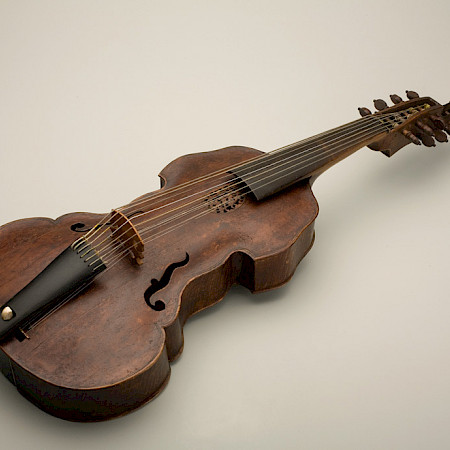
The oboe d'amore was a new instrument at the time of Johann Sebastian Bach. It was probably invented around 1710/20, presumably in Thuringia. Bach used the instrument, which he called the "main oboe d'amour", in more than 90 works during his time in Leipzig, first in the cantatas on the occasion of his application and his inauguration in February and May 1723, "Du wahrer Gott und Davids Sohn" (BWV 23) and "Die Elenden sollen essen" (BWV 75).
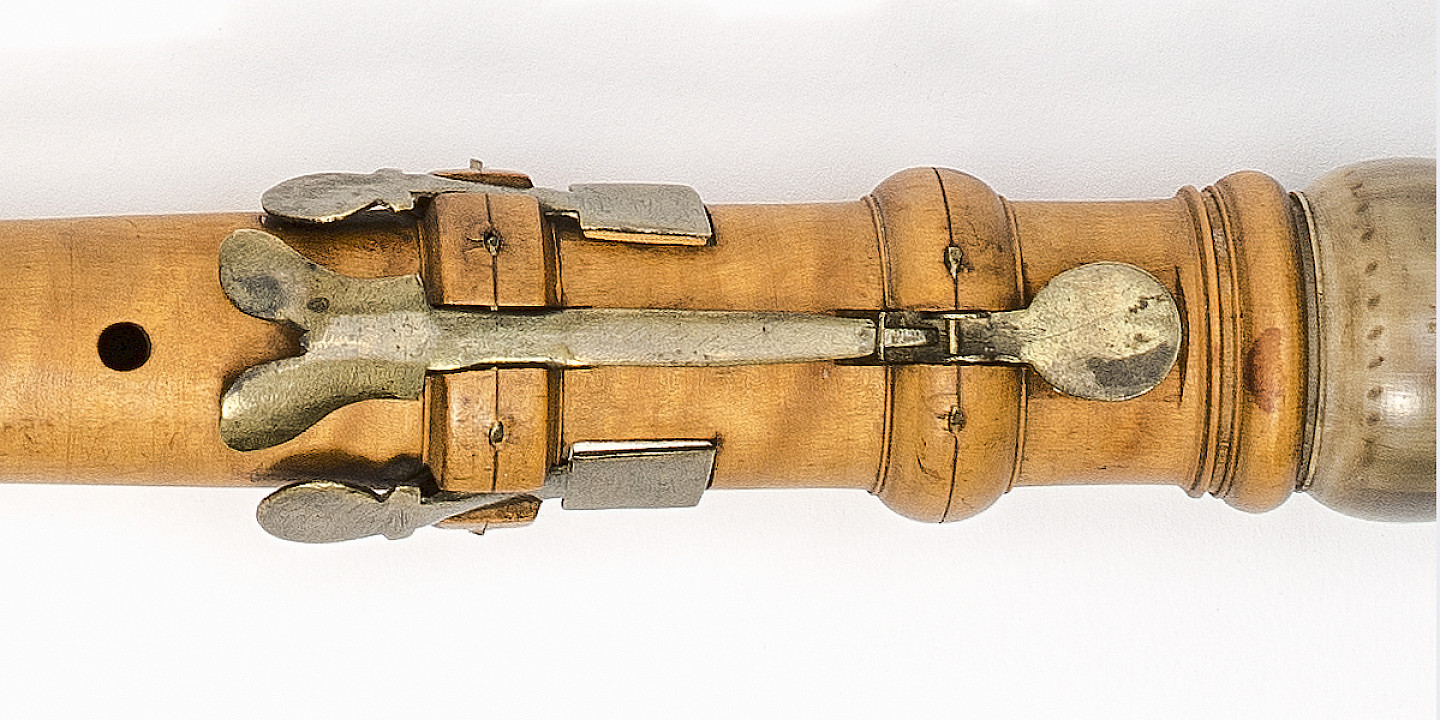
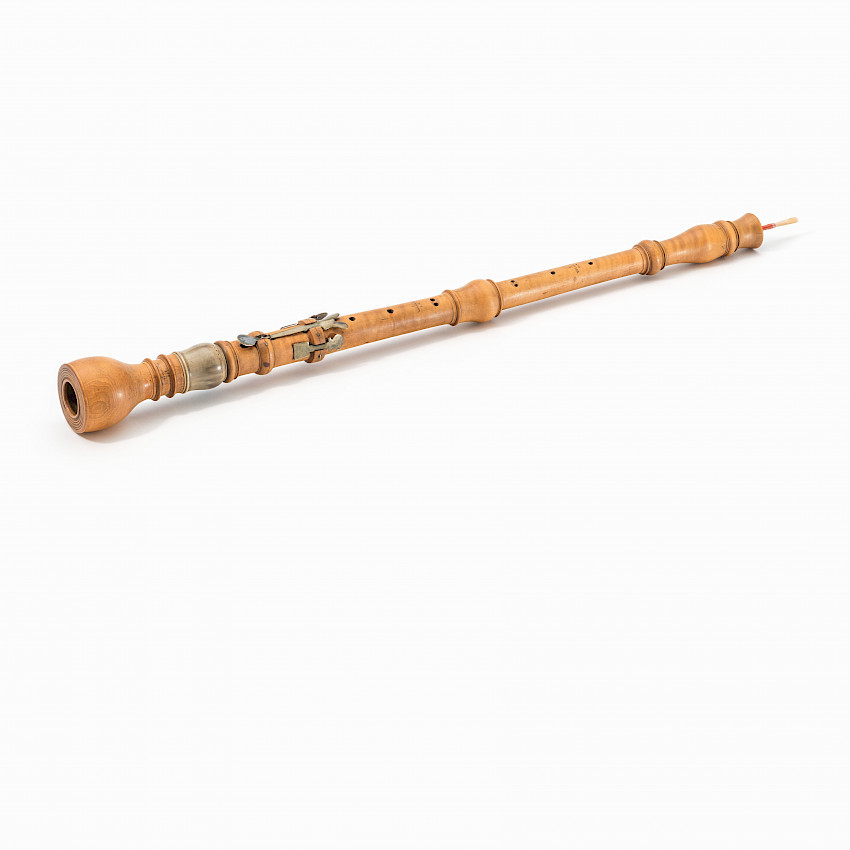
The Deutsches Museum owns an oboe d'amore that was probably made in Leipzig around 1740. The instrument by Johann Cornelius E. Sattler is made of boxwood and horn and has the typical pear-shaped bell, also known as the "Liebesfuß". There are indications for the performance practice: some holes are drilled twice, one key is double and another has two handles. This shows that these could be gripped with the fingers of either the left or right hand. The position of the hands was therefore not fixed.
Incidentally, the oboe d'amore disappeared from musical life in the second half of the 18th century. New designs only emerged in the late 19th century in connection with the revival of Johann Sebastian Bach's works.