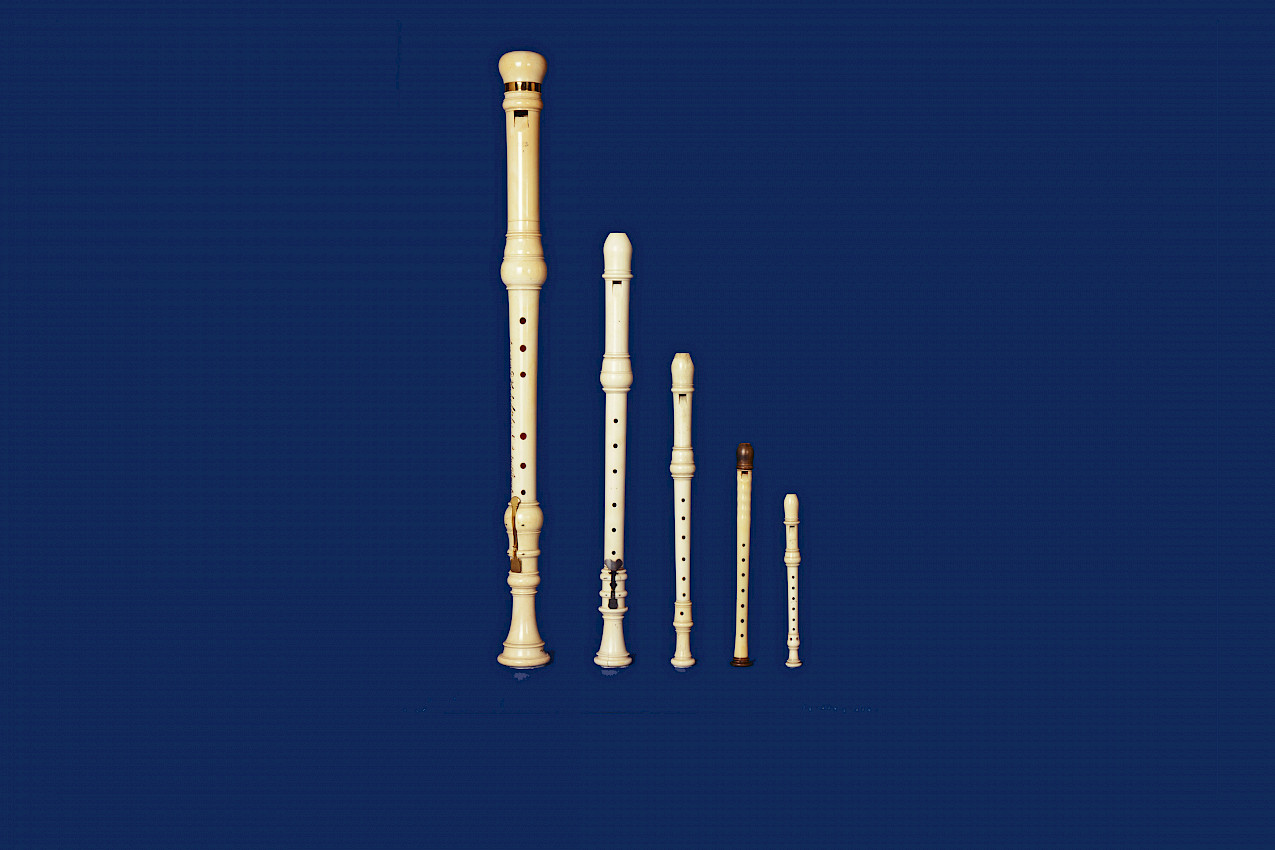
The ivory recorders of the Blue Elector
18.11.2025,
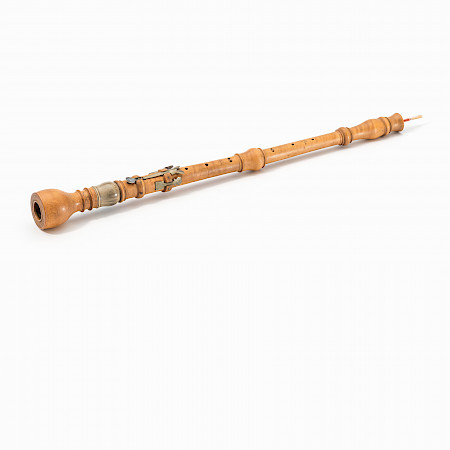
Johann Sebastian Bach liked to use the recorder, and Bavaria's dazzling Baroque prince Max Emanuel (1662–1726) played the viola da gamba, organ and harpsichord as well as recorders, which were very popular in his day. So much so, in fact, that he commissioned the Parisian maker Jean Jacques Rippert in the 1690s to make an eight-piece set from the luxury material ivory, which came in its own flute case.
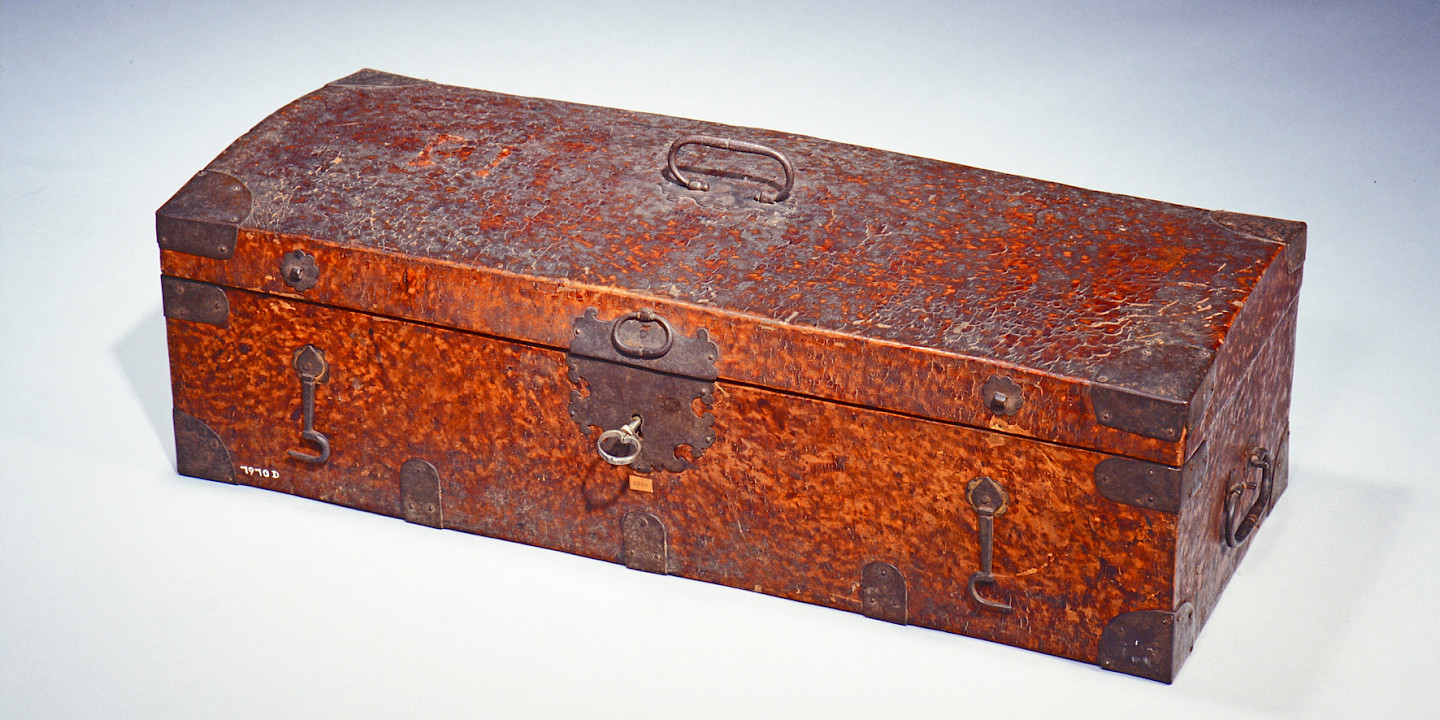
Johann Sebastian Bach used the recorder in the second and fourth Brandenburg Concertos, in the tenor recitative "O Schmerz" in the St Matthew Passion and in twenty sacred cantatas. However, it was later increasingly supplanted by the transverse flute. When the contents of the Rippert recorder case were transferred from the possession of the court to the Bavarian National Museum in 1857, the ensemble was even catalogued as clarinets, piccolos and shawms. An ivory bass recorder by Johann Christoph Denner found its way onto the list as a bassoon.
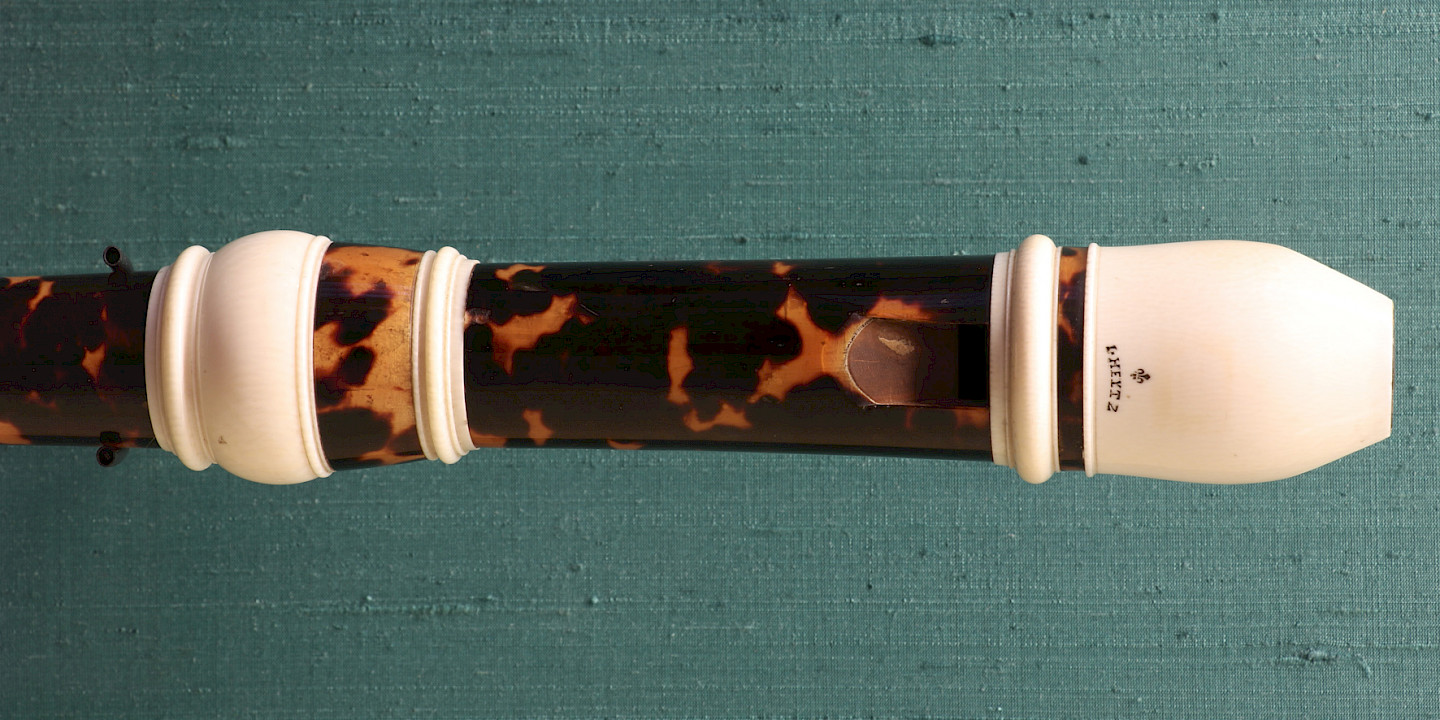
Shortly after 1700, two boxwood recorders veneered with tortoiseshell and painted to imitate tortoiseshell by the Berlin maker Johann Heitz ended up in the box. Species protection was not yet an issue in the Baroque era. Playing tests on ivory recorders from private collections show that they have a particularly pure sound with few overtones.
At the concert on Saturday 22 November at 11:00 a.m. in the Bavarian National Museum, you can get an impression of how recorders were used in Bach's time.